Mindful Early Mornings at the Barn: Equine-Facilitated Health Practices
The barn wakes prior to the sun. Unguis shift on bed linens, a mare sighs right into the silent, swallows telephone call from the treeline. You enter that hush, lungs full of the cool of hay and earth, and what you lug from the week loosens up a notch. Horses have a way of asking us to show up as we are, then satisfy us in today. Mindful early mornings make room for that meeting.
I have actually led thousands of sessions in this window between initial light and the day's sound. I have watched a chief executive officer pause mid-sentence due to the fact that a gelding tipped an ear toward her heart rate. I have stood with a teen who assumed tranquility was impossible and felt his breathing autumn in with a mare named Peaches. I have actually found out that equine-facilitated wellness lives carefully: where you stand, how a lead rope lays throughout your hand, when to go back so a steed can answer the question you have not yet asked.
Why mornings matter
Horses are crepuscular by nature, many alert at dawn and sunset. The barn at morning meal brings a rhythm that sustains mindful work. You are not battling summer season warm or afternoon wind. The day's distributions have not arrived. Trip animals review our inner climate with surprising precision, and quiet settings help us control so we can satisfy them clearly.
There is additionally a functional layer. In equine-assisted solutions, safety and success depend on critical arousal states. Very early hours often tend to be much more foreseeable: less tractors, fewer visitors, less variables. For people sensitive to seem or light, that can make all the distinction. When I make equine-assisted activities for an autism equine finding out program or ADHD equine learning assistance, early mornings set a structure that is calmer and more forgiving.
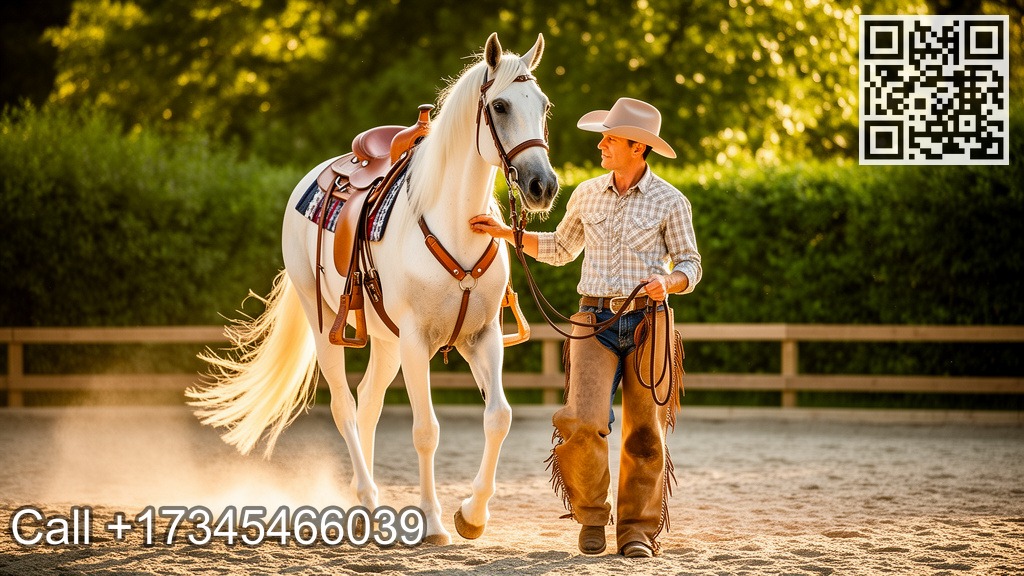
A barn-centered mindfulness you can feel
This is not reflection removed from the world. It is mindfulness with hay dirt on your sleeves. Horses bring immediate psychophysiological feedback to our subtle shifts. Prey animals scan for energy activities, and they react honestly. If I hold my breath, an equine will frequently lift a head and time out. If I soften my shoulders, that very same horse may lick, chew, or sigh. In time, people discover a language that runs much deeper than words.
A regular conscious early morning blends peaceful observation, brushing, somatic understanding, and in some cases mounted job, depending upon the program and objectives. In therapeutic horsemanship we often continue to be on the ground, especially when somatic healing with equines is the emphasis. If riding is ideal, we introduce it in such a way that maintains the nerves inside a window of tolerance.
The arc of an early morning session
I like to offer people a shape to anticipate. The arc differs by individual, however this framework serves most.
We show up, stop, and orient. I ask clients to see 3 details they did not capture in the first glance. In some cases it is the cooler air near the tack area floor. In some cases it is the method a mare's eyelids tremble when sparrows flit. This job is not trivial. Alignment anchors awareness in the below and now.
Then we satisfy the equine. I do not rush the intro. Equine-facilitated mentoring is relational, not transactional. A great match represent dimension, motion high quality, background, and herd role. For stress and anxiety assistance with steeds, I frequently select geldings that track energy without rising. For sensory difficulties, I like equines with stable thresholds, soft eyes, and individual curiosity.
Grooming comes next. It looks easy, yet the brush is a tuning fork. Long strokes demand tempo. Circular movement with a curry comb requests constant pressure. Embolisms of winter coat or summertime dirt come to be sensory input that a client discovers to grade and moderate. This is where experiential discovering with horses radiates, because the steed supplies feedback without judgment. If strokes are as well quickly, a swish of the tail says so. If strokes are also and based, a hip softens and the equine actions closer.
After that, we relocate. Often it is hand-walking in a tiny arena, sometimes freedom in a rounded pen, occasionally stopping at a fence line to exercise breath. Mounted job, when picked, is peaceful: a couple of mins at a walk, interest on the seat and the equine's steps. I seldom exceed 15 to 20 mins of installed time in a wellness session that runs an hour. The objective is regulation and link, not mileage.
We close with thankfulness and integration. I ask what stood apart, where in the body something changed, and what that suggests for the remainder of the day. People are commonly shocked by just how concrete their takeaways come to be. They leave with one physical sign that functioned and one small practice to attempt at home.
A simple morning checklist for clients
- Wear closed-toe footwear and layers you can shed as the day warms.
- Skip solid scents, they can bother horses and other clients.
- Eat something light, stable blood glucose sustains regulation.
- Bring water and any type of flexible gear discussed with your practitioner.
- Arrive a couple of minutes early to allow your system get used to the barn.
The somatic glossary of horses
I keep a psychological glossary, constructed over years of seeing. These signs are not formulaic, however helpful:
A lick and chew after a pause can suggest a change from thoughtful activation to parasympathetic settling. Not constantly, occasionally it is remaining hay, so examine context.
A lowered head and softened blink rate commonly suggest leisure. Again, watch for various other signals. A reduced head with pinned ears is not relaxation.
Ears that tip toward you when you breathe out can be the steed grabbing your breath rhythm. I usually have customers count the beats of their own breathing and see if the equine's ear angle changes.
An equine choosing to stand near you without pressure on a lead opens up discussion. Distance is not constantly permission, however it is details. We treat it with respect.
We do not appoint magical significance to these signals. We construct patterns over sessions. That is the heart of equine-facilitated health, discovering the body talk between 2 species and discovering to speak ethically.
Practices that secure a mindful morning
The job relocates finest in small, repeatable practices. Here are a few that have offered lots of clients.
Breath combining at the rail. Stand along the arena rail with a hand light on the lead rope, or with no rope if you are working at liberty. Breathe in via the https://ameblo.jp/dominickdmyg089/entry-12979790994.html nose for the matter that suits you, usually four. Breathe out somewhat longer. Do that three to 5 cycles while seeing the steed's ears and rib cage. The job is not to make the steed breathe with you, but to notice whether your breath changes the space in between you.
Grooming cadence. Pick one quadrant of the horse and job there for 3 minutes. Move the brush at a rate you can keep without stress. Let the stroke size match your out-breath. Many people start as well quick. Slowing to the factor that your shoulders decline is the key. The horse will certainly usually inform you when you land it. I have watched hips wander towards a client as if to claim, keep doing specifically that.
Lead rope recognition. Hold the rope like you would a ripe peach you do not intend to bruise. Fingers about, hand loosened up, arm joint soft. Walk a tiny figure at a pace that permits you to really feel the equine's front feet. The behavior of tugging or clamping is tough to see until the rope informs on you. When tension increases, pause. Take one breath. Beginning once more with less.
The pause and offer. This is my favorite in group building with horses and equine-assisted mentoring. You provide a reduced, clear request, such as inviting the horse to tip with you over a ground pole. Then you wait. If the equine thinks twice, you see what else is in the ask. Is your body a little shut? Are you taking a look at the post like a danger? Adjust on your own first, then offer again. In groups, this mirrors just how unclear goals and mixed signals slow tasks. The steed gives instant, neutral responses that individuals can move back to their roles.
A step-by-step halter breathing exercise
- Stand at the steed's shoulder, one hand on the level of the halter, fingers loose.
- Feel your feet in the dirt, knees soft, jaw unclenched, eyes open.
- Breathe in for four counts, breathe out for 6, repeat for six breaths.
- Let your hand soften with the out-breath, then carefully release the halter and step back one pace.
Most people really feel something change by the 4th or fifth breath. Often it is as little as your shoulders going down a quarter inch. Often the horse's head comes down a few inches and the eye softens. When it does not, that is information too. You could be holding a believed like a fist. You may need to readjust setting. The technique is learning to eavesdrop the right channels.
Stories that stick
Eli was 14, intense, funny, and for life in motion. ADHD made class a grind. At the barn, he could not stand still longer than two seconds on the first day. Peaches, a Haflinger with a wipe of forelock, enjoyed him bounce and pawed as soon as. I asked him to match Peaches' feet for ten actions. He rolled his eyes and attempted to sprint ahead. Peaches stayed. He looked back at me. I claimed, observe her feet. He attempted once again, slower this moment. 10 steps took a minute. On the 3rd lap, his arms quit flapping. His mother wept. In five sessions, he discovered to carry the metronome of Peaches' walk into college mornings. We called it his barn cadence. It was not a cure. It was a tool he owned.
Mae came for anxiousness support with equines after a harsh year of panic attacks. We began at the rail. Her breath was high in her chest and quickly. I asked her to count sparrow calls before each exhale. Sparrows make impossible metronomes, so she had to pay attention instead of anticipate. The mare in the sector drifted more detailed on her very own. Mae's exhale extended. She stated it seemed like a door she had kept closed for as well lengthy squeaked open. Three months later on she still kept a little bird recording on her phone for limited days, a pointer of what worked.
On a windy Tuesday, a technology startup came for group structure with equines. They fasted in their heads and uneven in their bodies. We established 3 easy challenges and asked to move an equine through without touching the pet. They stacked concepts on ideas, discussing each various other. The gelding flicked his ear and wandered to a weed patch. I requested for someone to hold the vision, one to watch breath, and one to notice the horse's feet. The rest were to stall and breathe. It took them 9 minutes to obtain quiet. Then the equine walked the program with dignity. The team lead later stated the workout made their daily standups much shorter by half, due to the fact that they learned just how much fixed they add when they all talk at once.
When equine-assisted work supports sensory needs
Barns are sensory abundant. Not everyone fulfills that splendor in the same way. For different treatment for sensory difficulties, I develop sessions with foreseeable patterns and clear borders. Below is what helps:
Space. A 10 by 20 meter arena with great ground and marginal clutter. Sensory applicants frequently want to touch every object, so fewer things keeps selections simple.
Sound scaffolding. Mornings are quieter, yet I still reduce sound. No loud music, minimal equipment. If ear defenders assist a client, we use them during the initial couple of sessions, then taper as appropriate.
Touch windows. Some clients choose deep stress and gain from grooming terminals with weighted brushes. Others favor light touch and do better with long-handled devices and even more distance. We build a menu and allow the steed's tolerance lead.
Clear signals. Equines value quality. So do several neurodivergent individuals. I use straightforward gestures, repeatable actions, and visual assistances if helpful. The horse's response reinforces the clarity.
For autism equine discovering programs, ground rules keep every person safe and confident. We pre-teach the distinction between a friendly area near a shoulder and a red area behind a hip. We practice where to stand and exactly how to move away. We award tiny minutes of reciprocatory focus, and we make area for stimming that does not alarm the herd.
Choosing the best method and provider
Not all barns, equines, or practitioners are alike. You may come across therapeutic horsemanship, equine-assisted training, or wider equine-assisted solutions. They overlap, yet the training backgrounds and intended results can vary. Healing horsemanship often tends to emphasize horsemanship abilities with adaptive approaches. Equine-facilitated coaching targets at personal or professional advancement, typically for teams or leaders. Somatic healing with horses emphasizes body-based recognition and nervous system law instead of riding achievement.
Ask regarding horse well-being. Healthy and balanced programs center the steed's approval. Watch for time limits that safeguard equine psychological lots, tack that fits, and sessions that enable horses to opt out or rest.
Ask regarding professional credentials. Seek training in equine behavior and human assistance. If mental wellness is an emphasis, ask about licensure and guidance. If learning assistance is the goal, search for service providers experienced in ADHD equine discovering support or autism program design.
Ask regarding safety strategies. Excellent carriers talk freely concerning risk, weather condition cancellations, and emergency situation treatments. They will certainly request for wellness backgrounds and review contraindications. For instance, unmanaged seizures, particular musculoskeletal injuries, and severe allergic reactions may restrict choices or need clinical clearance.
Trade-offs and edge cases
Morning dew makes footing slick. We select arenas with sand or well-drained testings and check the surface prior to leading a horse in. Cold early mornings can make equines fresh. On those days I build in longer warmups, motion for the horse before customer arrival, and a lot more range till power settles.
Wind adjustments every little thing. A tarp that lay peaceful the other day may babble today. Some customers locate wind dysregulating. I have actually terminated freedom work and changed to stall-side pet grooming instead of press through. The best option commonly appears like doing less, not more.
Mounted job is not a prize and ground work is not an alleviation. For clients with energetic pelvic discomfort, distressing injury, or high arousal, staying on the ground is better. For others, the rhythm of a stroll can be controling. I work in brief sectors and examine breath and speech consistently. If someone begins answering in quick, clipped sentences, we quit and return to the rail.
How progress reveals up
A common blunder is to look just for remarkable moments. Development commonly looks like tiny, repeatable success. A customer that could not go into the sector last month currently stands at the gate with steady breath for 90 seconds. An equine that utilized to pin ears at quick motions currently maintains an ear soft when someone screws up with a brush. A group that took 20 minutes to align takes eight.
Four to eight sessions usually disclose patterns you can trust, yet there is no magic number. Some individuals come for a concentrated ruptured around a particular objective, like relieving Sunday evening fear with a Monday morning barn routine. Others fold up the barn right into a much longer arc of treatment or mentoring. The trick is in shape and connection. You want a program that listens and adapts.
An instance morning flow that works
I will illustration the form of a 75 minute session I utilize frequently. Times flex by a couple of minutes.
Arrival and alignment, 10 minutes. We breathe at the fencing, name three sensory supports, and established a simple intention. Something like, I wish to locate one breath that feels easier.
Horse introduction and selection, 10 minutes. If the program permits option, the client observes two equines and tells me what they observe. I safeguard steeds from overhandling by regulating gateways and space, however I pay attention to client impressions.
Grooming for policy, 20 mins. We concentrate on one side, after that the other, sticking with pace. If cleaning raises stimulation, we transform tool or switch to hand touch with clear begin and stop signals. Equines get breaks.
Movement, 20 minutes. Hand-walk in numbers, barrier work, or placed walk if proper. I enjoy feet, breath, and face tension more than outcome. If the equine aims to the outdoors often, I move placement or slow the pace.
Integration and close, 15 minutes. We call one body cue that worked and one barn image to accomplish. We thank the steed. We videotape an easy technique for home, like 3 long exhales at the kitchen area sink before coffee.
Where groups meet themselves
Equine-facilitated training with groups can be potent, especially in the early morning when interest is clean. I maintain workouts low tech and high responses. One favorite asks a team to move a loose horse via a U-shaped alley of poles using just their positions and breath. The policy is no touching and minimal talking. You learn rapidly that occupies area without observing, who withdraws under pressure, and that can hold still when the group shakes. Equines have a tendency to follow systematic bodies. Groups that commit to one clear signal move the steed. Groups that splinter enjoy the steed graze.
We debrief with specifics. Did the steed wait at the corner? Who noticed initially? Just how did the team change? Individuals are commonly shocked that the important things they do without believing in the sector matches the important things that derails conferences. Fixing it in a barn is oddly much easier. The feedback arrives in genuine time from a neutral teacher.
Ethics at the center
Wellness is not wellness if it costs the steed. Authorization in this work looks like option factors we recognize. It looks like organized rest, turnout, and a work the steed recognizes. It appears like tack that fits, normal vet and unguis treatment, and handlers that can identify pain. I have rescheduled sessions since a steed offered stiff or sour. The dissatisfaction in the minute safeguards depend on over time.
On the human side, we request informed permission and review it as we go. Clients need to know what to expect, what threats exist, and what options are available. Equine-assisted activities complement, they do not replace, suitable clinical or mental healthcare when needed. Good programs construct bridges, not silos.
Getting began without overcomplicating it
If you are new to this, you do not need to have excellent horsemanship or expensive equipment. You need comfy garments, an eager spirit, and an expert who treats you and the steed with respect. Try a short series in the morning with clear objectives. Notification how you feel when you leave the barn and again two hours later. If sleep enhances, if meetings really feel a hair much easier, if your shoulders keep in mind exactly how to drop on command, you are on the ideal path.
For some, equine-assisted services come to be a seasonal technique. Springtime and autumn early mornings hold specific magic. For others, one extensive weekend of equine-facilitated training with their group unlocks patterns that move society back at the office. For families looking for option treatment for sensory obstacles, a summer season of predictable Saturday mornings can alter the baseline for the college year.
The barn is a classroom where development does not reveal itself with trumpets. It shows up in the silent. A gelding's ear leans right into your breath. Your hand steadies on a halter. The day stretches in advance, and you discover you have more room inside it. That is the gift of conscious early mornings with horses, easy and charitable, ready at dawn.
Happy Hooves Wellness
9177 Gross Rd, Dexter, MI 48130
+17345466039
https://www.hhooves.com/